
Guide
Deciding What's Worth Fixing on an Older Morgantown Garage Door
Morgantown homes built 1938-2008 carry doors that age hard in this cold climate. Here's what still earns a repair call and what doesn't, plainly.
Local detail
What the Weather Here Does to It
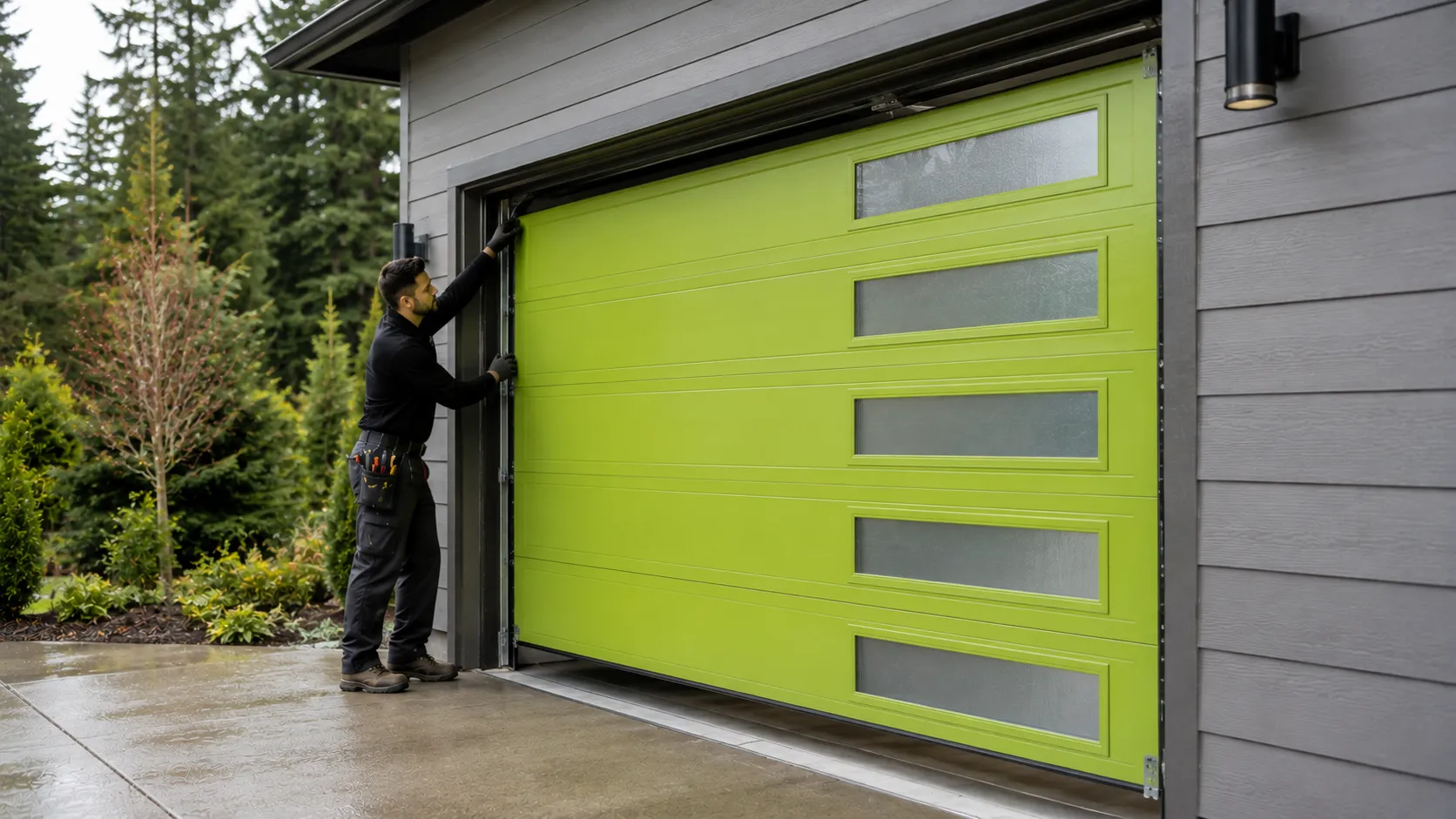
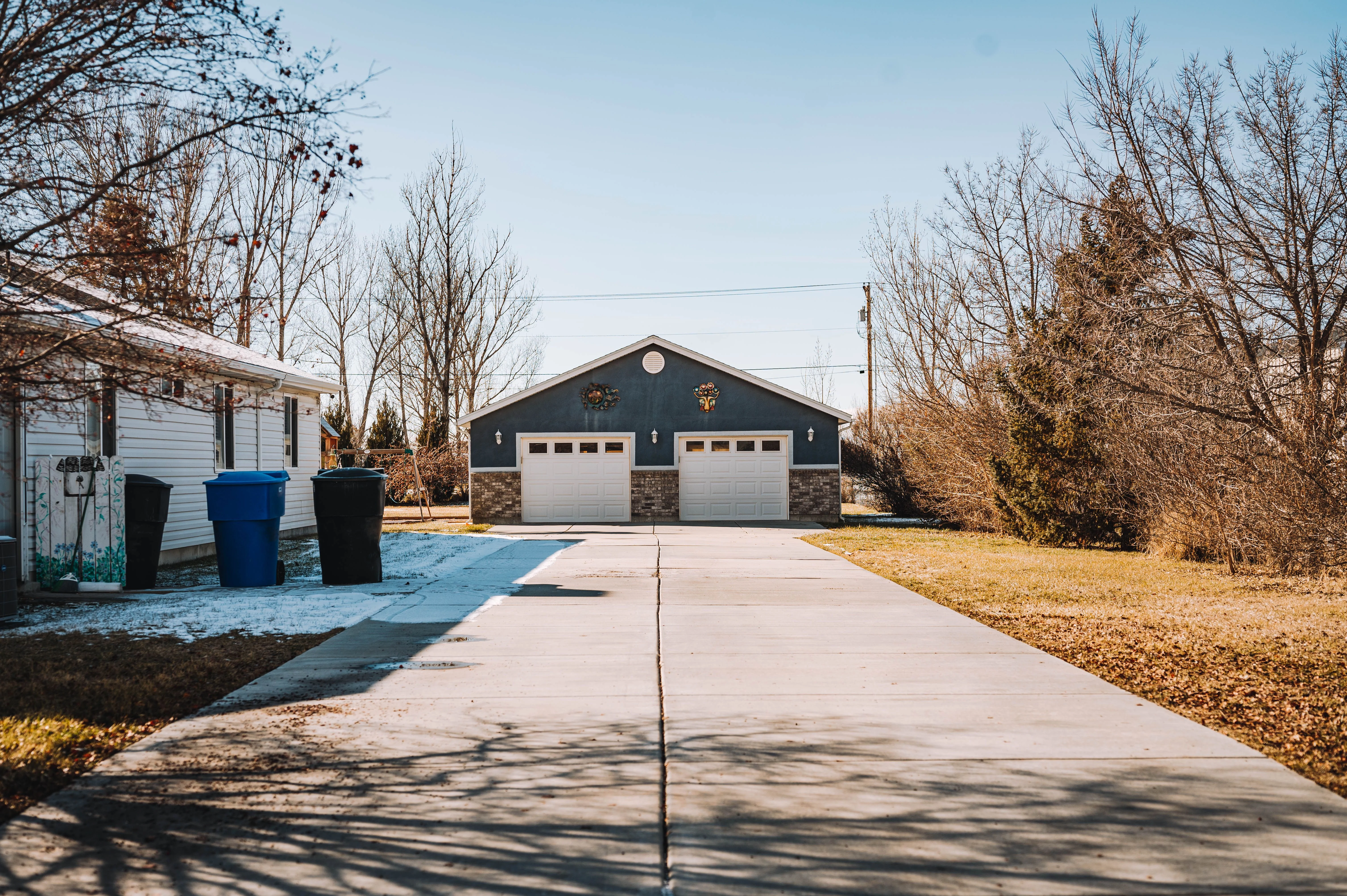
Morgantown sits in a severe cold band, and that matters more for a garage door than most owners think. Steel panels contract in winter and expand in summer, and on a door installed anywhere from the late 1930s through the early 2000s, that cycle has already run for decades. The median house here dates to 1983, which puts a lot of doors right at the point where the foam or fiberglass insulation inside a panel has started to separate from the steel skin. You'll feel it as a door that's heavier to lift by hand in January than it was in July, or a bottom seal that's cracked stiff instead of flexing.
Torsion springs lose tension faster in cold garages too, since the steel itself stiffens and the coil doesn't compress the same way it did when it was new. None of this is unique to one house - it's what happens to a door built for a mild climate that's spent forty winters in a cold one. The practical upshot: if your door is groaning, sagging at the corners, or the opener is straining on cold mornings, that's the climate talking, not just age on its own.
The area
When It Stops Being a DIY Job
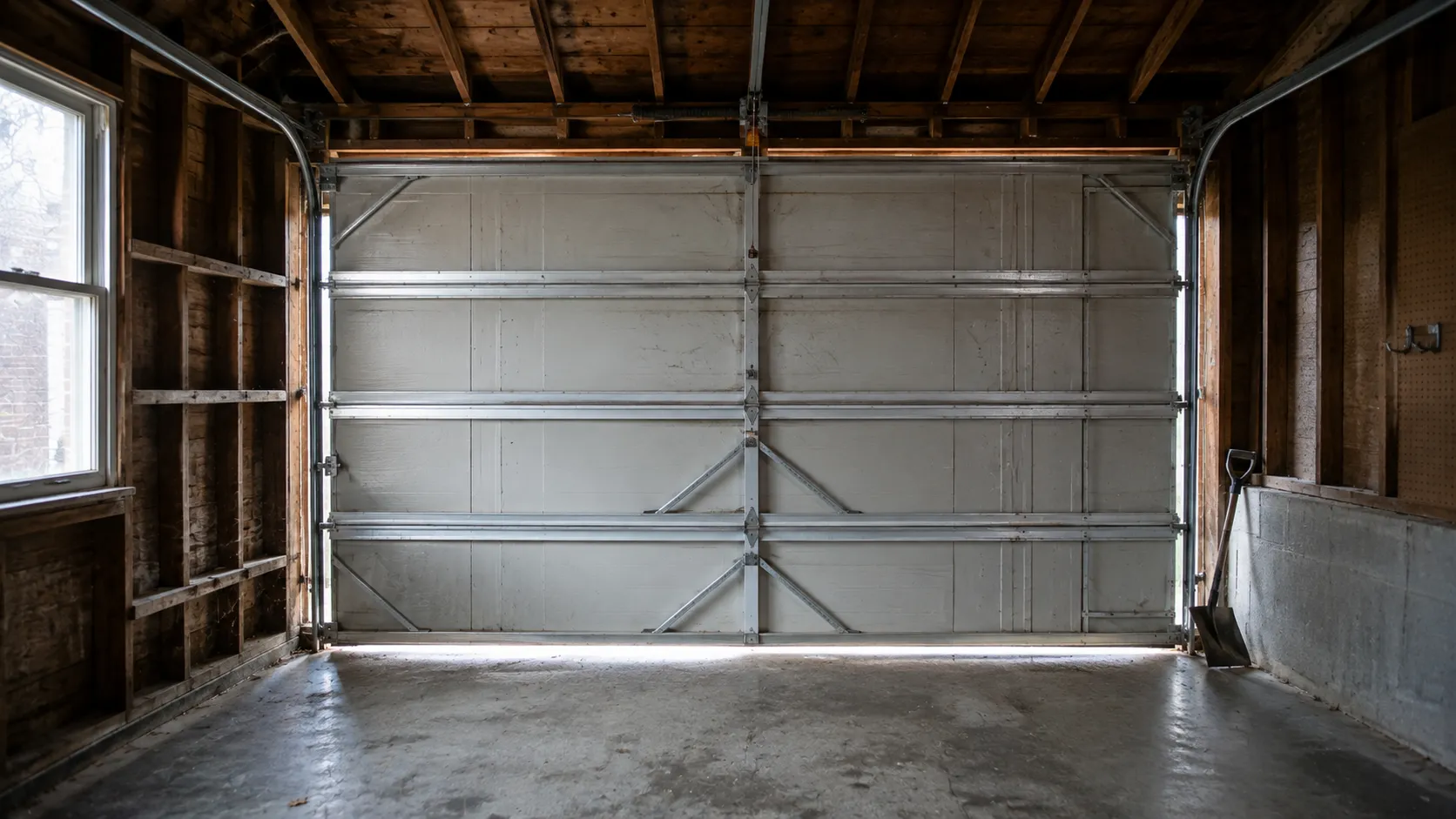
A lot of the eleven areas we work across still have their original 1980s and 90s doors, and those are simple torsion-spring setups that a confident homeowner can maintain - lubricating rollers, tightening loose hinge bolts, clearing track debris. Where it stops being a weekend project is anything involving the spring itself. A torsion spring on a door built in that era is wound to a spec that assumes the door's original weight and balance, and on a house with a 1983 median build date, that spring has likely never been replaced. Cutting it loose without the right bars is how people end up in the ER, not how they save money.
Same goes for cable replacement on a two-car door - the stored tension is the same problem in a different shape. If the door came off its track entirely, or a panel is bent enough that the whole assembly binds at one point, that's also past the DIY line. We don't do work that isn't ours to do cheaply or badly; some of these older setups need a second pair of hands just to hold the door steady while the spring comes off, and that's not a one-person job regardless of how many videos you've watched.
What we find
When Waiting Is Fine
Not every noise or stiff spot means a service call. A door that's a little slow to close but still seals fully at the bottom, with rollers that squeak but roll freely, can usually wait for a scheduled tune-up rather than an emergency one. Cosmetic issues - faded paint, a dented but structurally sound panel, weatherstripping that's worn but still touching the slab - are fine to live with through a winter if the budget says so.
On the older end of the 1938-2008 range, a door that opens and closes evenly, holds its position when stopped halfway, and doesn't grind at the springs is a door that's still doing its job, even if it looks its age. The one thing we'd flag: don't wait through a full cold season on a spring that's already visibly stretched or has a gap in the coil, since cold makes a marginal spring fail rather than just weaken. Everything else - looks, minor drafts, an opener that's a bit noisier than it used to be - is a fix-it-when-convenient problem, not a fix-it-now one.
How we work
The Problem
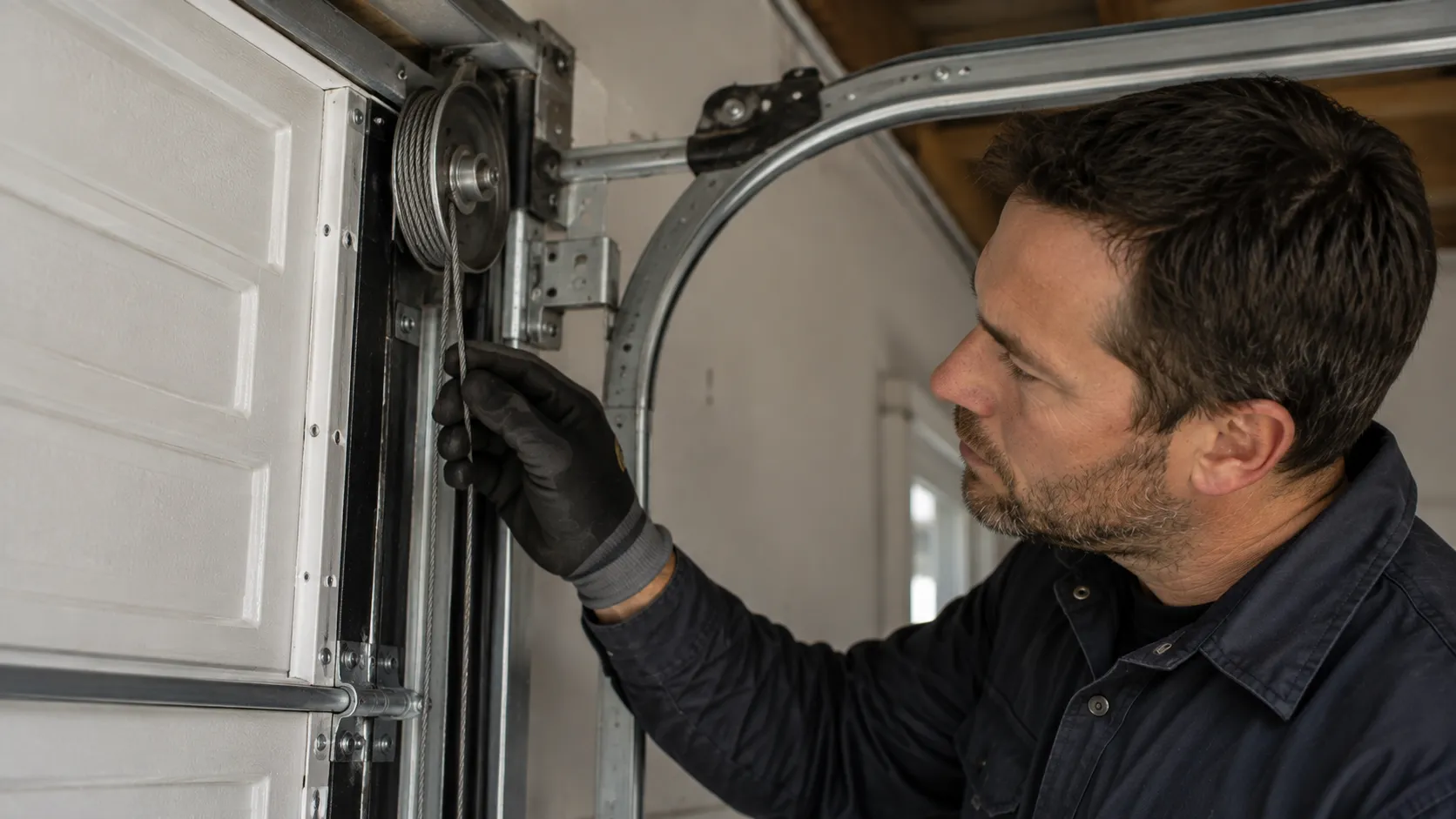
The real decision point on an older door isn't age by itself, it's whether the track and hardware still match the door's actual weight and balance. Houses across this area were built mostly in the 1980s and 90s, with the overall stock running from 1938 to 2008, and a door from either end of that range can still be structurally sound. What tips a door from repairable to replace-it is usually the track: bent rails from a cold-season binding event, or hinges that have worn oval instead of round, letting the panel rack sideways as it travels.
Once the track's out of true, springs and rollers get replaced into a system that's still fighting itself, and the fix doesn't hold. If your door is original to a house near this median build era and the track still runs straight, a repair is almost always the right call over a full replacement. If the track's bent, that's the one case where we'll tell you plainly that spending on a new spring is money into a door that'll be back on the schedule within a year.
Questions
Common questions
Is it worth fixing a garage door that's original to a house built in the 1980s?
Usually yes, if the track is still straight and the panel isn't structurally bent. A lot of the housing stock here dates to that decade, and the torsion hardware from that era is straightforward to service. The spring and rollers wear out; the steel frame underneath usually doesn't. Replace the parts that fail, keep the door.
Why does my door feel harder to open in winter?
Cold stiffens the torsion spring's steel and can shrink the door's alignment slightly within the track, so it takes more force to lift. In this climate's severe cold band, that's a normal seasonal effect, not necessarily damage. If it's dramatically harder to lift than it was last winter, have the spring tension checked.
When does a bent track mean I need a whole new door, not just a repair?
When the rail is bent enough that the rollers bind at a fixed point every cycle, rather than running smooth. At that point, new springs or cables go into a system still fighting misalignment, and the repair won't hold through a season. That's the one situation where replacement beats fixing.
Ready when you are
Need a garage door sorted in Morgantown?
Morgantown Garage Door Pros repairs and installs garage doors, springs and openers in Morgantown, WV and the surrounding area.